French
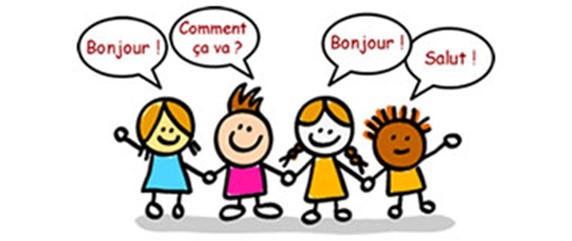

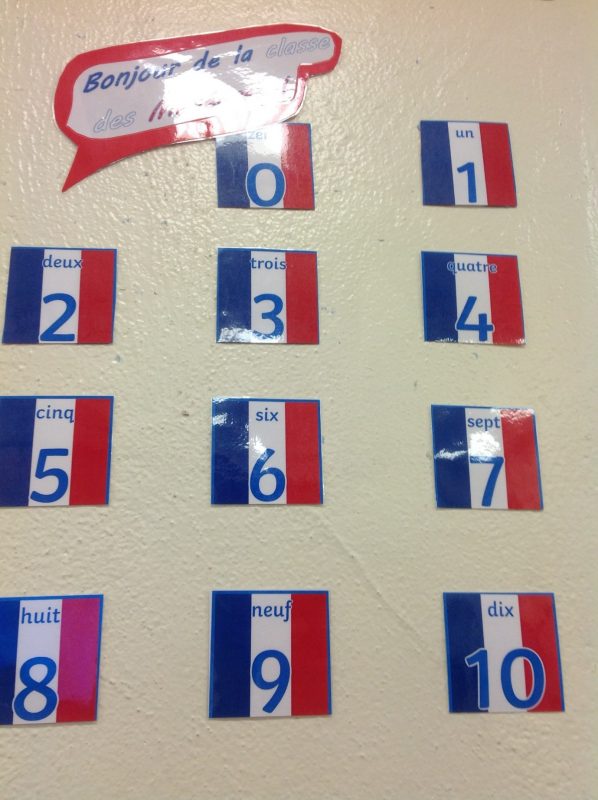
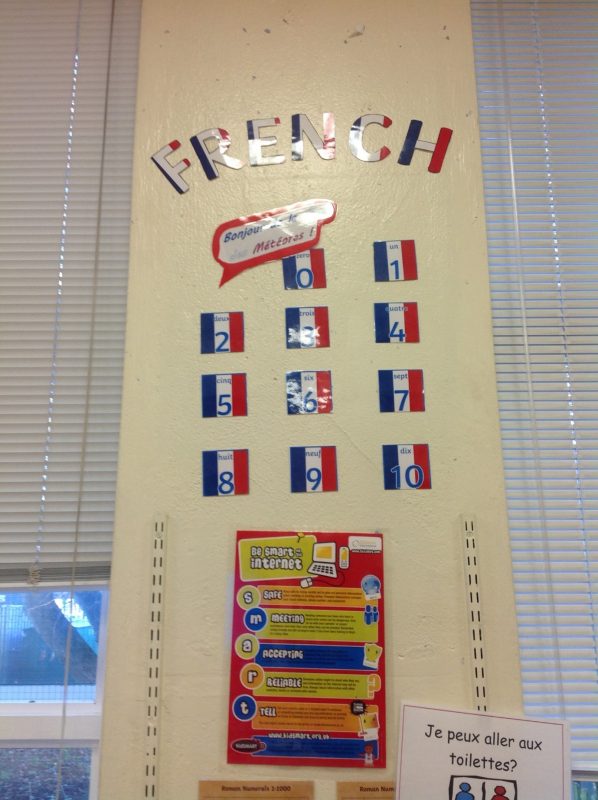
Learning French is fantastic, as it gives me the chance to speak to my cousins who speak French.
Zoe
I really enjoy French because it’s a different language and I can see how the words are related.
Sophia V
French is good fun and really useful for when we go on holiday.
George
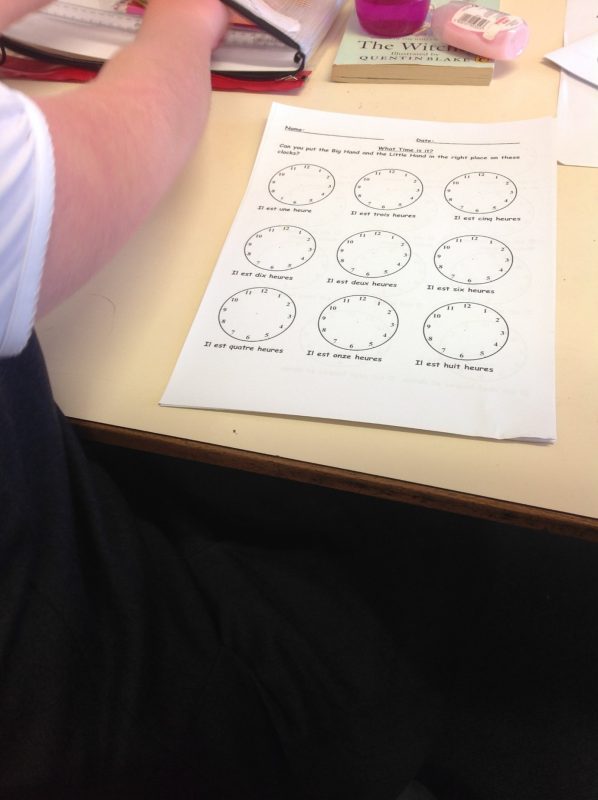
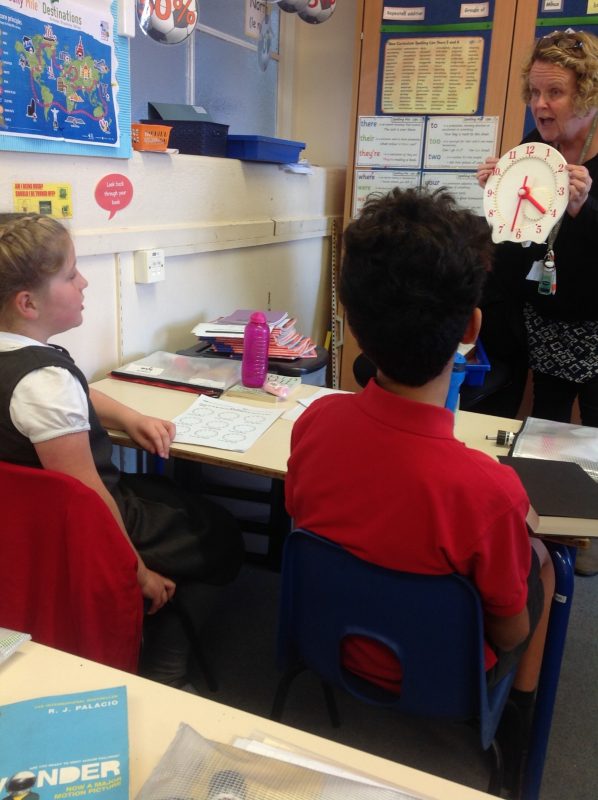
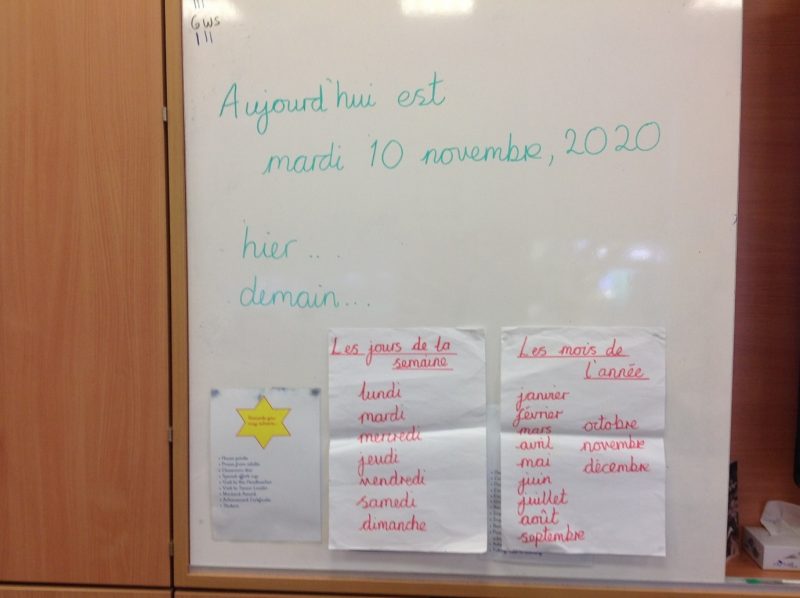
At Manland, we have chosen French as our modern foreign language. We believe that learning French throughout Key Stage 2 broadens children’s horizons and helps them develop an understanding and appreciation of different cultures. Through high-quality language teaching, pupils become curious about the wider world while building the confidence to communicate in another language. Learning French encourages children to express their ideas, respond to others and develop skills that will support future language learning.
We have chosen to use Twinkl for our French curriculum. We believe that this scheme develops pupils’ speaking, listening, reading and writing skills through engaging and purposeful learning experiences. Children learn to understand and respond to spoken and written French from a range of authentic sources, while developing increasing confidence, fluency and accuracy in their pronunciation, intonation and communication. They are encouraged to ask questions, take part in conversations and express themselves with growing independence.
As pupils progress through Key Stage 2, they write for a range of purposes using the grammatical structures they have learned and develop an appreciation of French language and literature. Our approach provides a strong foundation for future language learning, equipping children with valuable communication skills and fostering an openness to other cultures and communities.
 French - National Curriculum
Our Aims – Modern Foreign Languages National Curriculum
The National Curriculum for modern foreign languages aims to ensure that all pupils should be taught to:
- Listen attentively to spoken language and show understanding by joining in and responding
- Explore the patterns and sounds of language through songs and rhymes and link the spelling, sound and meaning of words
- Engage in conversations; ask and answer questions; express opinions and respond to those of others; seek clarification and help
- Speak in sentences, using familiar vocabulary, phrases and basic language structures
- Develop accurate pronunciation and intonation so that others understand when they are reading aloud or using familiar words and phrases
- Present ideas and information orally to a range of audiences
- Read carefully and show understanding of words, phrases and simple writing
- Appreciate stories, songs, poems and rhymes in the language
- Broaden their vocabulary and develop their ability to understand new words that are introduced into familiar written material, including through using a dictionary
- Write phrases from memory, and adapt these to create new sentences, to express ideas clearly
- Describe people, places, things and actions orally and in writing
- Understand basic grammar appropriate to the language being studied, including feminine, masculine and neuter forms and the conjugation of high-frequency verbs; key features and patterns of the language; how to apply these, for instance, to build sentences; and how these differ from or are similar to English
Other Useful Documents
Ways to Develop Modern Foreign Languages Skills at Home
- If you can speak in a different language, celebrate and share this with your children at home
- Read or listen to story books in different languages
- Ask your child to tell you how many words they know in a different language.
- Encourage your child to count in other languages.
- Ask them if they can say a sentence to you in French based on their lessons or can they ask you a question in a different language?
- Ask children to talk about things they like and then see if you can research and find the words for them in different languages e.g. animals or sports.
- Play educational language games online, for example, https://www.bbc.co.uk/bitesize/subjects/z39d7ty